Published
What a Healthy Furnace Sounds Like
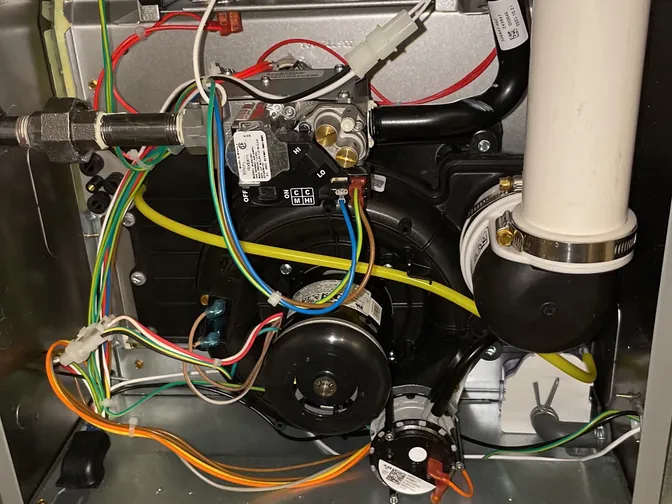
A working furnace isn't silent. You'll usually hear a click as the cycle starts, a soft whoosh when the burners light, and a steady hum from the blower. A tick or two from the ducts as they warm up is normal too. The sounds worth your attention are new ones, loud ones and any that repeat every cycle.
Heat pumps make a few sounds of their own, like a whoosh during defrost. If your home heats with a heat pump, our heat pump repair service can sort out what you're hearing.
Furnace Noises and What They Mean
Banging or Booming
A loud bang right as the furnace starts often points to delayed ignition. Gas builds up for a moment before it lights, then ignites all at once. Dirty burners and a weak igniter are common causes. Delayed ignition can crack the heat exchanger over time, so turn the furnace off at the thermostat and schedule furnace repair. A softer pop from the ducts is a different, usually harmless sound covered below.
Whistling
A whistle usually means air is squeezing through a space that's too small. A clogged filter is the most common cause, followed by closed or blocked vents and small gaps in the ductwork. Start by replacing the filter and opening every supply vent and return grille. Our air filter tips cover how often to change it.
Rattling
Rattles often come from something loose, like an access panel, a duct hanger or a piece of sheet metal. These are usually minor. A rattle that starts suddenly can also mean a loose part inside the blower or a problem near the heat exchanger. Make sure the furnace door is closed and latched. If the rattle continues, have a technician take a look.
Scraping or Grinding
Metal-on-metal scraping usually comes from the blower. The blower wheel may have come loose, or the motor bearings may be failing. Turn the system off as soon as you hear it, because running it can damage the motor and its housing. A blower motor replacement is one of the bigger repairs, starting at $550–$1,300 or more depending on the system.
Squealing or Shrieking
A high-pitched squeal often comes from the blower motor or the inducer motor that vents combustion gases. Worn bearings are a common cause. On older furnaces, a worn or slipping blower belt can squeal too. Catching it early can keep a small repair from turning into a motor replacement.
Popping
Popping or ticking from the ducts is usually sheet metal expanding as it heats and contracting as it cools. It's common in Nebraska homes during cold snaps and is usually harmless. If the popping is loud and constant, a section of ductwork may be undersized or poorly supported. A technician can check whether it needs adjustment.
Humming or Buzzing
A low hum from the blower is normal. A loud buzz is not. Buzzing can point to a failing capacitor, a loose wire, a transformer problem or a motor straining to start. Electrical problems can get worse quickly, so leave the cover on and call a technician.
Clicking
One or two clicks at the start of a cycle are normal. Repeated clicking without the burners lighting points to an ignition problem. The cause is often a worn igniter or a dirty flame sensor. Igniter and capacitor repairs are among the common fixes that start at $150–$500. If you smell gas while the furnace clicks, leave the house and follow the safety steps below.
How to Troubleshoot a Noisy Furnace Safely
You can narrow down many noises without opening the furnace. Start with these steps:
- Note when the sound happens: at startup, while the furnace runs, or as the cycle ends.
- Replace the air filter if it looks gray or clogged.
- Open every supply vent and move furniture and rugs away from return grilles.
- Make sure the furnace door is closed and latched. Most furnaces have a safety switch that keeps them off when the door isn't secure.
- Check that the thermostat is set to Heat and the fan is set to Auto.
- If the noise continues, turn the furnace off at the thermostat and call a technician.
Don't remove the burner cover, adjust the gas valve or try to oil the blower motor yourself. Many modern motors have sealed bearings, and the gas and electrical parts inside a furnace can be dangerous.
When a Furnace Noise Means Danger
Most furnace noises are mechanical, but a few situations call for fast action. Your family's safety comes first.
- You smell gas. A rotten-egg smell can mean a gas leak. Don't touch light switches, the thermostat or anything that could spark. Get everyone outside, then call your gas utility or 911 from a safe distance.
- Your carbon monoxide alarm sounds. Get everyone outside right away and call 911. Headaches, dizziness or nausea that ease when you leave the house are warning signs too.
- You hear a loud boom at startup. Delayed ignition can damage the heat exchanger. Turn the furnace off at the thermostat and call for service.
- You smell burning that doesn't fade. A brief dusty smell at the first startup of the season is normal. A lasting burning or electrical smell is not. Turn the system off and call.
Every home with a gas furnace should have working carbon monoxide detectors, especially near sleeping areas. When a heating problem can't wait, emergency service is available upon request.
Repair, Maintain or Replace?
Most noisy furnaces need a repair, not a replacement. Regular maintenance keeps many noises from starting in the first place. Our furnace maintenance visit cleans the burners, tests the ignition and flame sensor, and inspects the blower and heat exchanger. Our post on winter furnace tune-ups explains why a mid-season visit can still pay off. The Breeze Protection Plan covers annual tune-ups and adds priority service.
If your furnace is older and the repairs keep coming, replacement may cost less over time. Furnace replacements start at $3,500–$13,000, depending on the system. These are starting ranges, and final pricing depends on your home and equipment. Residential systems come with a 1–5 year labor warranty from BreezeTech. Compare our starting price ranges, read about furnace installation, and ask about our financing options.
Noisy Furnace FAQs
A loud bang at startup is usually delayed ignition, where gas builds up briefly before it lights. Dirty burners or a weak igniter are common causes. Because it can damage the heat exchanger over time, turn the furnace off and have it checked rather than waiting.
It can be. A bang from delayed ignition stresses the heat exchanger, and a cracked heat exchanger can leak carbon monoxide. Popping from the ducts as they warm up is usually harmless. If you can't tell which one you're hearing, call a technician and make sure your carbon monoxide detectors work.
Squealing usually comes from worn bearings in the blower motor or the inducer motor. On older furnaces, a slipping belt can squeal too. It rarely means immediate danger, but a part is wearing out. Fixing it early can prevent a full motor replacement.
You can replace the filter, open blocked vents, check the thermostat settings and make sure the furnace door is latched. Leave burners, gas valves, motors and wiring to a trained technician. Those parts involve gas and electricity, and mistakes can be dangerous.
It depends on the cause. Common repairs, such as an igniter or a capacitor, start at $150–$500. Bigger repairs like a blower motor or a control board start at $550–$1,300 or more. These are starting ranges, and we give you an upfront quote before any work begins.
STILL HEARING IT?
Let Us Track Down That Sound
Strange furnace noises rarely fix themselves. BreezeTech is a husband-and-wife operated team in Papillion, backed by 15 years of hands-on HVAC experience. We'll find the source, explain what we see and give you an upfront quote before any work begins.
We serve Papillion, Omaha, Bellevue, Elkhorn, Gretna and La Vista, with emergency service available upon request.