
Published
What Happens When Your Filter Gets Clogged
A clogged air filter restricts airflow, forcing your AC or furnace to work much harder to move air across the evaporator coil or heat exchanger. This extra strain causes several problems:
- Weak or uneven airflow throughout your home
- Longer run times, which drive up energy bills
- Hot and cold spots—some rooms comfortable, others stuffy
- Increased risk of frozen evaporator coils (AC) or overheating (furnace)
- Dustier indoor air and aggravated allergies and respiratory symptoms
A dirty filter also forces your system to cycle on and off more frequently, shortening component life and leading to expensive repairs.
Core Air Filter Tips You Should Know
Smart filter maintenance follows these essential practices:
- Check your filter every 30 to 90 days, leaning toward the shorter interval if you have pets, high system usage, home renovations, or family members with allergies
- Hold the filter up to a light source—if light barely passes through, replace it immediately
- Match your filter's MERV rating to your system's capability; too high a MERV rating can choke airflow and stress your blower motor
- Keep all return air grilles clear of obstructions like furniture, boxes, or wall hangings that block airflow into the system
- Write the installation date directly on the filter frame so you know exactly when it was installed—no guesswork
- Buy filters in multi-packs so you always have the next replacement ready when you need it
Recognize the Warning Signs Your Filter Needs Replacement
Your home will tell you when filtration is faltering. Look for these red flags:
- More dust settling on furniture, shelves, and electronics than usual
- Rooms feel stuffy or stale even when the system is running continuously
- A noticeable rise in your utility bill without a corresponding weather change
- A musty or stale odor when the blower starts up
- Sneezing, congestion, or allergy symptoms indoors that ease when you step outside
Any of these signs points to a filter that's past its lifespan and needs immediate replacement.
Pair Clean Filtration with Other IAQ Upgrades
A good filter is step one, but comprehensive indoor air quality goes further. Consider pairing your regular filter maintenance with these complementary strategies:
- Proper humidity control to avoid excessively damp air that traps particulates and promotes mold
- Regular vacuuming, preferably with a HEPA-rated unit that captures fine particles
- Sealing obvious ductwork leaks if dust reappears shortly after a professional cleaning
- Optional IAQ upgrades like media cabinets, electronic air cleaners, or UV germicidal lights where appropriate for your home's needs
Mistakes That Sabotage Your Air Quality
Many homeowners unknowingly undermine their filter's effectiveness. Avoid these common pitfalls:
- Forgetting pre-season filter swaps before the first major heating or cooling surge
- Jumping to the highest MERV rating "just because" without considering your system's design—this chokes airflow
- Allowing pet hair to load filters early without shortening your replacement schedule in response
- Using damaged or ill-fitting filters that let air bypass the media entirely, defeating the filter's purpose
- Assuming a thicker 4- to 5-inch filter doesn't need checking until the full year is up—inspect mid-cycle anyway
Sample Maintenance Calendar for Peak Seasons
Here's a practical example for staying on top of your filter during cooling or heating season:
- Month 1: Install a fresh filter and write the date on the frame
- Month 2: Perform a quick visual check; if visibly darkened or airflow feels weaker, replace it; if not, continue
- Month 3: Replace proactively during peak season when system runtime is highest
- Repeat the cycle as needed throughout the season
The Real Cost-Benefit Case for Regular Filter Changes
A low-cost filter swap delivers substantial returns:
- Preserves your system's efficiency rating (SEER for AC, AFUE for furnace)
- Prevents premature wear on the blower motor, compressor, and heat exchanger
- Improves comfort by maintaining even heating and cooling throughout your home
- Reduces airborne dust, pollen, and irritants that trigger allergies
- Delays larger, costlier repairs caused by strain, overheating, or frozen components
Replacing filters on schedule costs far less than a compressor replacement or a full system breakdown in the middle of summer.
When to Call BreezeTech for Professional Help
Contact us right away if you notice any of these issues:
- Ice forming on refrigerant lines or the indoor coil
- Burning, electrical, or unusual chemical smells
- Frequent short cycling where the system runs for just a few minutes before shutting off
- Your filter darkening unusually fast, suggesting duct or return air problems
- Persistent allergy or respiratory symptoms even after installing a fresh filter
Our team diagnoses the underlying problem and recommends the right filtration approach for your home's specific needs.
Frequently Asked Questions
Check your filter every 30 to 90 days depending on your home's conditions. With pets, allergies, or heavy system use, check every 30 days. If the filter looks dark or airflow feels weak, replace it regardless of the schedule.
Most residential systems work best with MERV 8 to MERV 11 filters. Higher MERV ratings trap more particles but can restrict airflow if your system isn't designed for them. Check your furnace or air handler manual or ask your technician what rating is safe for your equipment.
Yes. A clogged filter forces your blower motor to work harder, stresses the compressor in your AC, and can cause the evaporator coil to freeze or the heat exchanger to overheat. Over time, this strain shortens component life significantly.
A visual check tells you if the filter is darkened or clogged. If light barely passes through, it needs replacement immediately. Even if it looks okay, replace it on schedule—filters trap particles you can't see.
Not necessarily. A MERV rating that's too high for your system restricts airflow and strains your blower motor. Stick to the MERV range recommended for your equipment; a properly sized filter replaced regularly catches far more particles than an oversized one that chokes airflow.
Look at the old filter in your furnace or air handler—the size is printed on the frame (e.g., 16x20x1, 16x25x4). Take that to a home improvement store or call us for a replacement. Using the wrong size lets unfiltered air bypass the media.
Absolutely. Regular filter changes, proper thermostat use to manage humidity, routine vacuuming with a HEPA unit, and sealing obvious ductwork leaks deliver substantial improvements at minimal cost. Start with these basics before considering media cabinets or electronic air cleaners.
Clean air filtration is the foundation of a comfortable, efficient home. By staying on top of your filter maintenance, you're protecting your HVAC system, keeping your energy bills in check, and ensuring the air your family breathes is as clean as possible.
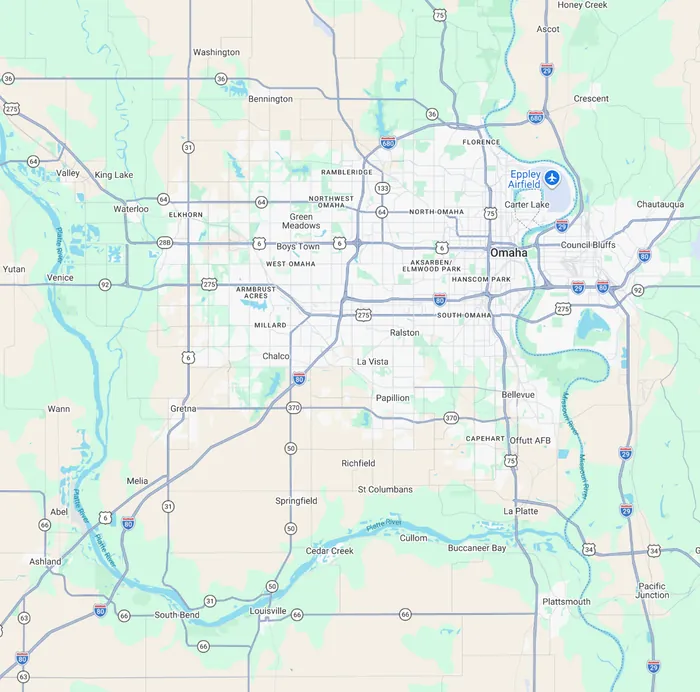
At BreezeTech Heating & Cooling, we help homeowners across Papillion, Omaha, Bellevue, Elkhorn, Gretna, and La Vista understand their air quality and maintenance needs. Whether you're unsure what filter to use, want to explore IAQ upgrades like air cleaners or UV lights, or simply need a professional air quality consultation, our team is here to help.
Not sure which filter your system needs or experiencing weak airflow and allergy flare-ups? Let's dial in the right filtration approach for your home.