Published
Regularly Replace Your Air Filters
A clogged air filter is one of the most common causes of HVAC problems, yet it's easily preventable. When filters become blocked with dust and debris, your system must work harder to push air through, reducing efficiency and putting strain on your blower motor. A restricted filter also reduces the amount of cool or warm air that reaches your home, making your system cycle longer to achieve the desired temperature.
We recommend checking your filters monthly and replacing them every one to three months, depending on your usage patterns and filter type. Homes with pets, children with allergies, or high dust exposure may need more frequent changes. Mark the installation date on the frame so you know exactly when it was installed and can avoid guessing.
A fresh filter is an inexpensive way to help avoid unnecessary repairs, wasted energy, and early wear on your system. The investment pays for itself many times over in efficiency gains and prevented component failures.
Keep Your Outdoor Unit Clean and Clear
Your air conditioning unit's outdoor condenser works hard to release heat from your system. Debris like leaves, grass clippings, dirt, and pine needles accumulate around the unit, clogging the fins and reducing airflow. When airflow is blocked, the compressor must work harder to expel heat, straining the system and driving up your energy costs.
Maintain at least a two-foot clearance on all sides of the unit and clear the area regularly—especially in fall and spring. Don't allow bushes or landscaping to encroach on the unit, and don't store outdoor furniture, grills, or gardening supplies nearby. Gently rinse the coils with a hose if visible debris builds up—use a soft stream, never a pressure washer, which can bend the delicate fins.
A clean outdoor unit transfers heat much more efficiently, keeping your energy bills in check and your system running longer without strain. In summer, a clean condenser helps your system cool effectively, which makes a real difference on hot Nebraska days.
Check and Correct Your Thermostat Settings
Sometimes the real issue isn't your HVAC system at all—it's the thermostat. Incorrect settings are the source of many "problems" that disappear once they're adjusted. A thermostat set to the wrong mode, wrong temperature, or with a faulty sensor can cause your system to run constantly or refuse to operate when you need it.
Verify that your thermostat is set to the correct mode (heating in winter, cooling in summer) and the desired temperature matches your comfort needs. Many thermostats also have a "fan" setting—if it's set to "on," the blower runs continuously regardless of whether heating or cooling is needed, which wastes energy. Ensure it's set to "auto" so the fan only runs when necessary.
If your thermostat is older or consistently inaccurate, upgrading to a programmable or smart thermostat can improve efficiency and comfort significantly. Modern thermostats learn your schedule, adjust temperatures automatically, and let you control your system remotely from your phone—helping cut wasted heating and cooling.
Listen for Unusual Noises as an Early Warning Sign
Your HVAC system shouldn't make loud, strange sounds. Banging, rattling, squealing, hissing, or grinding noises are all red flags that something needs attention. These sounds often indicate loose parts, failing bearings, refrigerant leaks, or motor problems—all of which worsen if ignored.
Different noises point to different problems. A loud bang or clunk when the system starts often means a loose blower wheel or mounting bolt. A squealing sound usually indicates a worn blower motor bearing or belt. Hissing can signal a refrigerant leak, which is serious and requires professional repair. Grinding often points to mechanical wear or debris inside the system.
If you hear anything unusual coming from your furnace, air conditioner, or indoor unit, schedule a professional inspection as soon as you can. Catching a small problem early prevents it from becoming an expensive repair or a full system breakdown. What sounds like a minor issue today could become a major repair bill next week if left unaddressed.
Schedule Regular Professional Maintenance
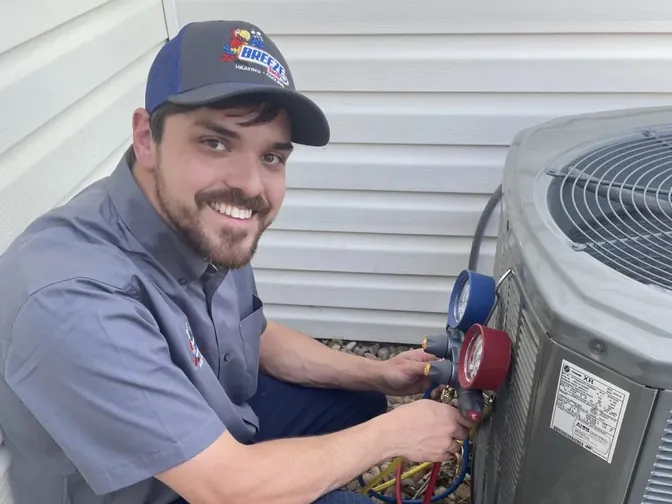
Preventative maintenance is the best investment in your HVAC system's life and reliability. A seasonal tune-up—ideally before heating and cooling season starts—includes checking refrigerant levels, inspecting electrical connections and safety controls, lubricating moving parts, testing thermostat accuracy, and cleaning or replacing filters.
A professional tune-up also includes inspecting the heat exchanger for corrosion or cracks, testing the condensate drain to ensure it's flowing freely, checking capacitors and relays for wear, verifying that all electrical terminals are tight, and ensuring all safety switches are functioning properly. In just one or two hours, a technician can identify a dozen small issues before they cascade into major failures.
These routine inspections catch minor issues like worn capacitors or loose connections before they fail and leave you without heat in January or cooling in July. Systems that receive annual maintenance run more efficiently than neglected ones, which helps keep energy bills in check and extends the unit's life. Regular maintenance is one of the best ways to help your system reach its full expected lifespan.
Know When to Call the Professionals
While homeowners can handle simple tasks like filter replacement and outdoor unit cleaning, most HVAC repairs require professional expertise and specialized tools. Signs you need to call BreezeTech include:
- Uneven heating or cooling throughout your home
- Frequent on-and-off cycling (the system doesn't run for normal periods)
- A sudden spike in your energy bill without a weather change
- Weak airflow from vents even with a fresh filter
- Visible leaks or ice on refrigerant lines
- Burning or electrical smells
Our team diagnoses the real problem and explains your options clearly, so you make informed repair decisions.
Frequently Asked Questions
Check your filter monthly and replace it every one to three months. Homes with pets, allergies, or high dust exposure may need replacements every 30 days. A dirty filter reduces airflow and forces your system to work harder.
Rattling often signals loose components, debris in the outdoor unit, or worn bearings. Don't ignore it—schedule an inspection before the problem worsens and causes costlier damage to your compressor or motor.
Plan on seasonal tune-ups: one in fall before heating season and one in spring before cooling season. A pre-season inspection catches small problems and ensures your system is ready for peak demand.
You can safely change filters, clear debris around the outdoor unit, and adjust thermostat settings. Anything else—refrigerant work, electrical repairs, motor replacement—requires professional certification and specialized tools. Improper DIY repairs can damage the system or void your warranty.
A professional tune-up includes checking refrigerant charge, inspecting electrical connections and safety controls, lubricating moving parts, testing thermostat performance, cleaning blower components, and inspecting the heat exchanger or coils for leaks or damage.
Regular filter changes, professional maintenance, proper thermostat settings, keeping outdoor units clear, sealing ductwork leaks, and upgrading to a programmable thermostat all improve efficiency and lower energy bills.
A sudden energy spike usually signals a problem: a clogged filter forcing your system to run longer, a refrigerant leak reducing cooling efficiency, a thermostat malfunction causing nonstop operation, or an aging unit losing capacity. Have a technician diagnose it.
Regular maintenance and timely repairs are the best way to extend your HVAC system's life and ensure your home stays comfortable through Nebraska's hot summers and cold winters. Don't wait for a breakdown to take action—a seasonal tune-up now saves thousands in emergency repairs later.
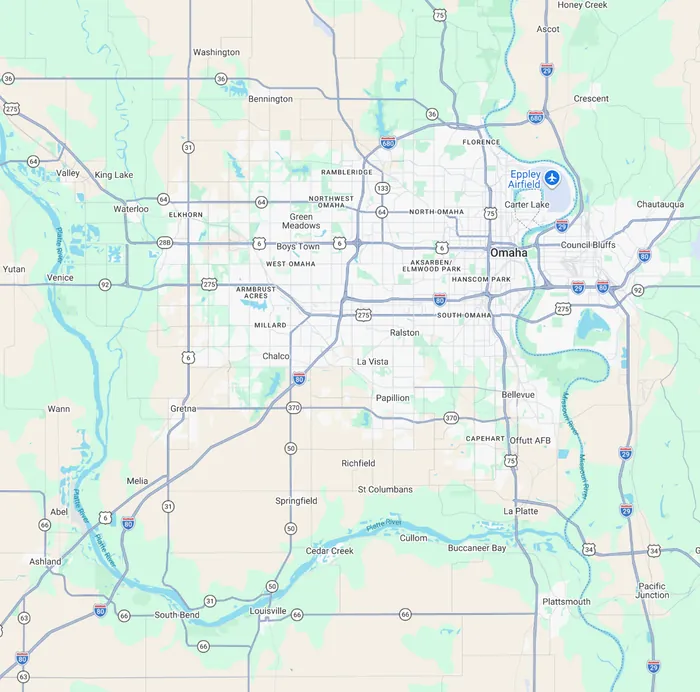
BreezeTech Heating & Cooling is your trusted partner in keeping your home comfortable. Our team at nearby 729 N. Frontier Rd serves Papillion, Omaha, Bellevue, Elkhorn, Gretna, and La Vista with emergency service available upon request. Whether you need a repair, a maintenance visit, or expert advice, we're ready to help.
Unsure about your system's condition? Schedule your HVAC inspection today and let our certified technicians give you complete peace of mind.