Published
PREVENTIVE CARE GUIDE
Why Twice-a-Year HVAC Service Is Recommended
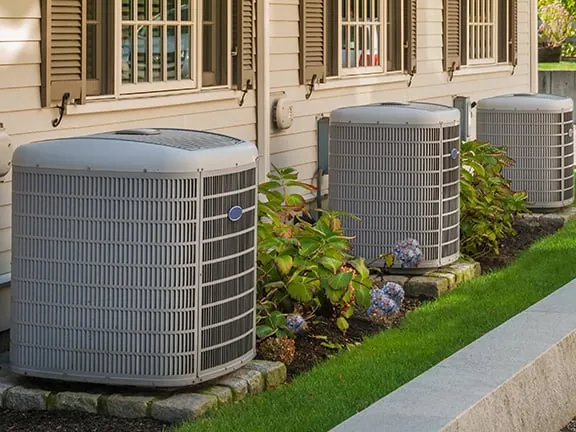
Your HVAC system is made up of moving parts, electrical components, coils, filters, motors, refrigerant lines, safety controls, and other equipment that all need to work together. Over time, dust builds up, parts wear down, connections loosen, and efficiency can drop.
A spring AC maintenance visit helps prepare your air conditioner for the hot months ahead. A fall furnace maintenance visit helps prepare your heating system for colder weather. By scheduling service before peak season, you give your technician a chance to spot small issues before they turn into bigger, more expensive repairs.
Think of it like maintaining a car. You wouldn't wait until your car breaks down before changing the oil or checking the tires. Your HVAC system deserves the same kind of preventive care.
What Happens During HVAC Maintenance?
A professional HVAC tune-up can vary depending on your system type, but it typically includes a detailed inspection, cleaning, and performance check. During a maintenance visit, your technician may:
- Inspect the thermostat and system controls
- Check electrical connections
- Clean coils and other key components
- Inspect or replace the air filter
- Check refrigerant levels for the AC system
- Inspect burners, ignition systems, or heat exchangers for heating equipment
- Lubricate moving parts where needed
- Check airflow and overall system performance
- Look for signs of wear, damage, or safety concerns
The goal isn't just to make sure the system turns on. The goal is to make sure it's operating safely, efficiently, and reliably. A good tune-up also includes a thorough inspection that can catch developing problems long before they become emergencies.
The Real Benefits of Regular HVAC Service
Routine HVAC maintenance may seem like one more thing on your home care checklist, but it can make a real difference in your comfort, costs, and peace of mind.
Better energy efficiency. When your HVAC system is dirty, clogged, or worn down, it has to work harder to heat or cool your home. That extra strain leads to higher energy bills. Regular service helps keep the system clean and properly adjusted so it can operate more efficiently, which shows up directly in lower monthly costs.
Fewer unexpected breakdowns. Many major HVAC problems start small. A loose electrical connection, clogged drain line, dirty coil, worn belt, or failing part may not seem urgent at first. But if ignored, those issues can eventually cause your system to stop working entirely. A maintenance visit gives your technician a chance to catch problems early, when they're quick and inexpensive to fix, rather than letting them become emergency repairs.
Longer system lifespan. HVAC systems are a major investment. Regular maintenance helps reduce wear and tear, which can help your equipment last longer. While no system lasts forever, proper care means you get the most years out of your heating and cooling equipment before replacement becomes necessary.
Improved home comfort. If your system is struggling, you may notice hot and cold spots, weak airflow, or uneven temperatures throughout your home. Maintenance helps your HVAC system perform the way it should, so your home stays more comfortable throughout the year.
Better indoor air quality. Your HVAC system affects more than temperature—it moves air through your entire home. When filters, coils, and other components are dirty, dust and allergens circulate more easily. Regular maintenance, along with consistent filter changes, can help support cleaner indoor air.
Warranty protection. Some HVAC manufacturers require proof of regular maintenance to keep warranty coverage valid. If your system breaks down and you cannot show that it was properly maintained, certain repairs may not be covered. Scheduling routine service helps protect both your system and your warranty.
When Is the Best Time to Schedule HVAC Service?
The best time to schedule HVAC service is before you rely on the system heavily.
For air conditioning, schedule service in the spring before the hottest months arrive. For heating, schedule service in the fall before colder weather sets in. This timing gives you a much better chance of avoiding emergency repairs during the busiest seasons when HVAC technicians are flooded with urgent calls. It's also easier to get an appointment during the shoulder season than in the heat of summer or the depths of winter.
Do Some HVAC Systems Need More Frequent Service?
Twice a year is a good rule for most homes, but some systems may benefit from extra attention. You may want to schedule service more often if:
- Your system is older
- Your HVAC runs almost constantly
- You live in a very hot, humid, dusty, or cold climate
- You have pets
- Someone in your home has allergies or respiratory concerns
- Your energy bills have recently increased
- Your system has needed frequent repairs
- You own a commercial property or rental property
Older systems especially benefit from regular checkups, including heat pump maintenance for homes that rely on one year-round. As equipment ages, parts wear down and efficiency can decline. More frequent service can help you stay ahead of problems and extend the life of your aging equipment.
Signs Your HVAC System Needs Service Now
Even if you already schedule regular maintenance, you should call an HVAC professional if you notice signs that something is wrong.
Watch for:
- Strange noises
- Weak airflow
- Unpleasant odors
- Warm air from the AC
- Cool air from the heater
- Short cycling (the system turning on and off frequently)
- Higher energy bills
- Uneven temperatures throughout the home
- Excess humidity indoors
- A thermostat that doesn't seem accurate
- Water pooling near the indoor unit
- A system that runs constantly but doesn't keep you comfortable
These issues should not be ignored. The longer your system runs with a problem, the more likely it is to become a larger, more expensive repair.
What Can Homeowners Do Between Service Visits?
Professional maintenance is important, but there are also simple steps you can take between appointments to keep your system running smoothly.
Change or clean your air filter regularly. Many homes need a new filter every one to three months, but this can vary depending on pets, dust, allergies, and system use. You should also keep the area around your indoor and outdoor units clear, make sure vents are not blocked, and pay attention to any changes in sound, airflow, or performance.
These simple habits help your HVAC system breathe easier and operate more efficiently. A clean filter makes a bigger difference than many homeowners realize—it's one of the lowest-cost maintenance tasks but one of the highest-impact.
Is HVAC Maintenance Really Worth It?
Yes, HVAC maintenance is worth it for most homeowners. It helps reduce the risk of surprise breakdowns, supports better efficiency, improves comfort, and can extend the life of your system. Compared to the cost of major repairs or early system replacement, routine service is a smart way to protect your home comfort system.
Skipping maintenance may not cause a problem right away. But over time, neglected systems are more likely to lose efficiency, break down, and cost more to operate. The homeowner who schedules regular tune-ups pays less in emergency repairs and often gets several extra years out of their equipment compared to someone who ignores maintenance until something fails.
Schedule HVAC Service Before You Need It
The best time to think about your HVAC system is before something goes wrong. By scheduling maintenance twice a year—once before cooling season and once before heating season—you can keep your system running smoothly and help avoid uncomfortable surprises.
Whether your system is brand new or has been keeping your home comfortable for years, regular HVAC service is one of the easiest ways to protect your comfort, your budget, and your peace of mind. If it's been more than a year since your last tune-up, now is a good time to reach out to a trusted local HVAC company serving the Omaha area.
Questions About HVAC Service Frequency
Twice a year—once in spring before cooling season and once in fall before heating season—is recommended for most homes. This schedule gives a technician a chance to inspect your system before its busiest workload each season. Some systems may benefit from additional visits depending on age, use, climate, and local conditions.
Skipping maintenance is possible, but it increases the risk of breakdown during peak season and reduces system efficiency. A forgotten tune-up means small problems—loose connections, worn parts, or minor refrigerant issues—go undetected until they grow into larger, more expensive repairs. Over time, this can also mean higher energy bills and a shorter equipment lifespan.
It's not ideal. Going longer than a year without professional service increases wear, reduces efficiency, and raises the chances of unexpected failure during the season you need your system most. Annual maintenance is a practical minimum if twice-yearly service isn't possible, but it shouldn't become a habit. The longer you wait, the more small issues can accumulate into larger, costlier repairs.
Maintenance is preventive service—a checkup of your system while it's still working, designed to catch small issues early before they cause a breakdown. Repair is fixing something that's already broken, often after a part has failed or the system has stopped running altogether. Routine maintenance generally costs less over time and helps reduce how often repair calls are needed.
Many HVAC manufacturers do require proof of regular maintenance to honor warranty claims, and skipping service visits can void coverage on major components like compressors or heat exchangers. Keep your service records on file in case you ever need to file a warranty claim. Check your specific equipment warranty or ask your contractor whether documented maintenance is required to keep coverage valid.
Spring and fall are shoulder seasons with lower HVAC demand, so scheduling tends to be more flexible than during the busiest weeks of summer or winter. Booking service before peak season also gives a technician time to catch developing issues before your system works hardest. Waiting until the first hot or cold snap often means longer scheduling delays and less time to address problems.
Yes. Even new systems benefit from regular maintenance. Professional checkups help catch any installation issues early, confirm the system is operating as designed, and establish a documented maintenance record that protects your manufacturer's warranty. Starting seasonal service from day one also helps your technician track how the system performs over time, making it easier to spot changes later.
A typical visit includes a full inspection of your system's components, a performance check, and any cleaning or adjustments the technician recommends. Technicians often check electrical connections, airflow, and safety controls as part of the process. Visit length varies by system type, age, and what the technician finds, so your contractor can give you a better estimate when you schedule.
PROTECT YOUR COMFORT
Keep Your HVAC System on Schedule
Regular HVAC maintenance is one of the simplest ways to protect your comfort and budget. Twice-yearly service catches problems early, keeps your system running efficiently, and helps you avoid costly emergency repairs. Whether you're looking to schedule your first tune-up or ready to set up seasonal appointments, the time to act is now—before the next heating or cooling season gets into full swing.
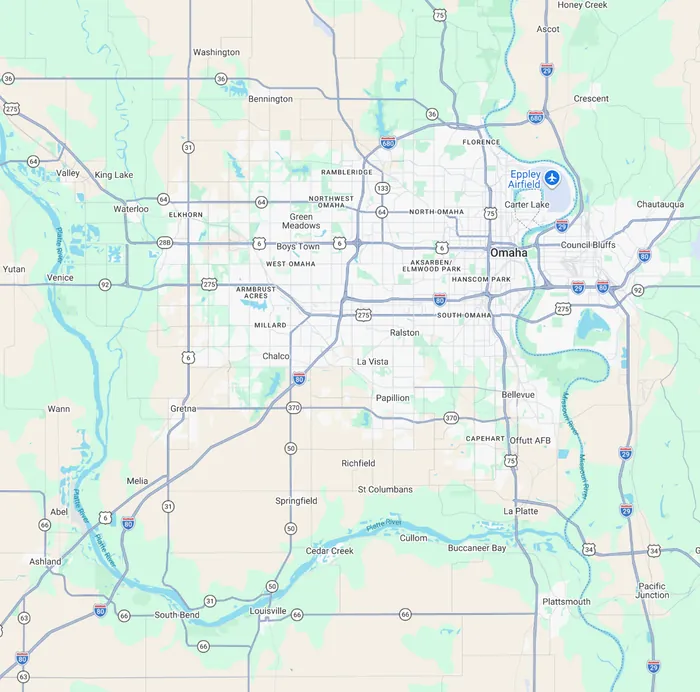
BreezeTech offers professional HVAC maintenance across Papillion, Omaha, Bellevue, Elkhorn, Gretna, and La Vista. Our technicians will inspect your system thoroughly, clean key components, and identify any developing problems. We're here to help your system run smoothly year after year.