
Published
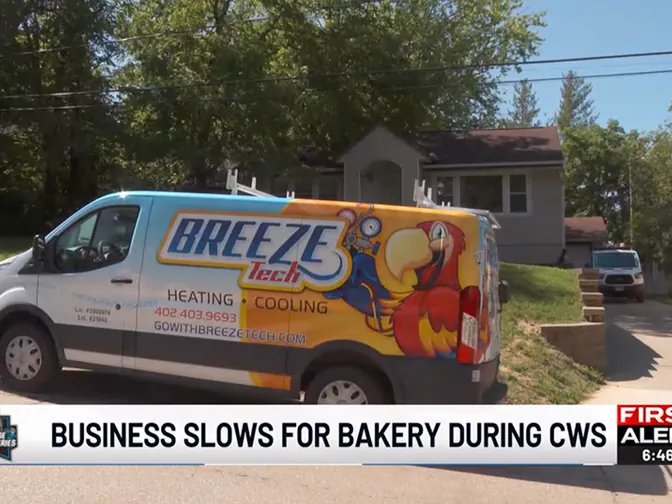
Simple Maintenance Micah Shared
The tips came from years of real calls and failures that could have been prevented. Micah stressed the importance of taking action before heat waves hit, not during them.
Keep your outdoor condenser clear. Grass clippings, cottonwood fluff, and dust pile up fast in summer. If your condenser is matted, gently hose it from inside out if panels allow, or outside in. Never use a pressure washer—the coil fins are delicate.
Change air filters on schedule. A restrictive, dirty filter makes your system work harder. Static pressure builds, airflow across the coil drops, and energy use spikes. Set a calendar reminder for every 60 days.
Unblock your return vents. Rugs, furniture, and storage boxes over your return air vents starve the system of airflow. That means uneven room temperatures and a struggling blower. It's a simple fix that costs nothing.
Listen for changes. Rapid short cycling or new buzzing can signal a developing issue—an electrical glitch or an airflow problem that's easy to fix early but turns expensive if ignored. Call us if you notice something new.
Set realistic thermostat targets. Don't try to cool from 80 to 68 in five minutes. Overshooting forces extended runtimes and can damage the compressor. Step your temperature down gradually.
When to Call for Help
Contact us if you notice supply vents blowing noticeably warmer than usual, ice on refrigerant lines or the coil, burning or electrical odors, breakers tripping after restart, or indoor humidity climbing even when the system runs continuously. Early intervention beats waiting for total failure, especially mid-summer when parts and technicians are fully booked.
Frequently Asked Questions
Run through the quick checklist: Is your filter under 60 days old? Is the outdoor coil visually clear, or does it need a rinse? Are return vents unobstructed? Is the condensate drain flowing freely? Small fixes like these prevent bigger failures once the real heat sets in.
Most filters need replacement roughly every 60 days during cooling season, depending on pets, dust, and air quality in your home. A clogged filter drops efficiency, raises your cooling costs, and makes your system work much harder than it should all summer long.
Set a realistic thermostat target and stick with it rather than overshooting, like jumping straight from 80 down to 68. Trying to cool too fast overworks the system and wastes energy. Gradual, steady cooling is more reliable and efficient than chasing a lower number all at once.
No. Turning it off and letting your home heat up will cost more energy when you restart, since the system has to work harder to catch up. Keep it running steadily, set a comfortable target, and let the system maintain it.
The summer season is peak cooling time, and BreezeTech is here to help you stay cool when Nebraska heat peaks. If you noticed any warning signs in Micah's tips—or if your system isn't keeping up—reach out to our team. Early maintenance is always cheaper than an emergency repair.