Published
FILTER BASICS
How Air Filters Protect Your Entire AC System
Your air filter does more than clean the air you breathe—it protects every internal component of your heating and cooling system. As warm air from your home is drawn into the system, it passes through the filter before reaching the evaporator coil. A clean filter traps dust, pet hair, pollen, and other airborne particles so they don't coat the coil's surface.
The evaporator coil is where the magic happens. As refrigerant circulates through this coil, it absorbs heat from the air passing over it. The cooled air is then pushed back into your home through the ductwork. But when a dirty filter restricts airflow, the system has to work much harder to push air through both the filter and the coil. This extra strain doesn't just waste energy—it can actually prevent your home from cooling properly.
Think of it this way: a clean filter is like an open window, but a dirty filter is like trying to breathe through a pillow. The harder you work, the less effective the effort becomes.
What Happens When Your Filter Gets Too Dirty
A clogged air filter triggers a chain reaction inside your AC system:
Reduced Airflow — The most immediate effect is that less air circulates through your home. You might notice weak airflow at the vents, and some rooms may feel warmer than others. Even if your thermostat is set to 72 degrees, the system struggles to deliver cool air evenly.
Longer Cooling Cycles — To compensate for restricted airflow, your AC runs longer than it should. Instead of cycling normally, the system may run far longer than usual without ever reaching the set temperature. This constant running burns energy and inflates your electric bill.
Frozen Evaporator Coils — Here's where it gets serious. When airflow is severely restricted, the evaporator coil becomes extremely cold—colder than normal. If condensation on the coil freezes before it can drip into the drain pan, ice begins to build up on the coil and even on the refrigerant lines. Once ice forms, airflow becomes even more restricted, and the system can shut down entirely. This is a critical failure that requires professional diagnosis from an experienced technician.
Higher Energy Bills — A struggling air conditioner that runs constantly uses far more electricity than a system with a clean filter. Your utility bills can increase noticeably, and you're paying more money for less comfort.
Premature Wear on Components — When your AC has to work twice as hard, the blower motor, compressor, and other moving parts experience more stress. This accelerates wear and increases the risk of a breakdown when you need cooling most—during the hottest days of summer.
Possible Safety Shutoffs — Many modern AC systems have built-in protections that shut the unit down if internal temperatures get too high or if internal pressures become unsafe. A filter that's too clogged can trigger these safety shutoffs, leaving you without cool air.
How Often Should You Change Your Air Filter?
The standard recommendation from most manufacturers is every 1 to 3 months, depending on your household. However, several factors affect how quickly your filter gets dirty:
- Pets — If you have dogs, cats, or other furry animals, they shed hair constantly. Homes with pets often need filter changes every 4–6 weeks.
- Allergies — If family members have allergies or respiratory sensitivities, a higher-quality filter changed more frequently helps maintain better indoor air quality.
- Construction or Renovation — If you're doing any remodeling or work that creates dust, change your filter weekly during the project and then return to normal intervals afterward.
- Dust-Heavy Environments — If you live near unpaved roads, a farm, or an area prone to dust storms, your filter will get dirtier faster.
- Overall Dust Levels — Simply check your filter monthly. If it looks gray or clogged, replace it—don't wait for the calendar date.
Most homeowners benefit from checking their filter monthly during the cooling season. It takes 30 seconds and can prevent major problems.
How to Check and Replace Your Air Filter
Finding your filter is usually straightforward. In most homes, the filter is located in one of these places:
- In the return air duct or blower compartment of your furnace or air handler (often in a basement, attic, or utility closet)
- In a wall-mounted return air grille
- In a filter rack mounted on the side of the furnace
Once you locate it:
- Note the Dimensions — The frame is labeled with dimensions like 16×25×1, 20×20×4, or similar. Use these exact dimensions when ordering a replacement. Using the wrong size defeats the purpose—air will flow around a filter that doesn't fit.
- Check the Airflow Direction Arrow — Every filter has an arrow pointing in one direction. This arrow shows which way air should flow through the filter. Install the new filter with the arrow pointing toward the blower/furnace—away from the return ductwork.
- Compare Filter Types — You'll see filters labeled by MERV rating (Minimum Efficiency Reporting Value). Standard fiberglass filters are MERV 4–5, while pleated filters are MERV 8–13. Higher MERV ratings capture more particles and help with indoor air quality, but they also restrict airflow more. If your system struggles with a higher MERV filter, step down to a lower rating. Never use a filter with a MERV rating so high that it restricts airflow dangerously.
- Keep Spares on Hand — Stock two or three extra filters in a closet or utility space so you're never caught without a replacement.
Other Quick Checks Before Calling a Technician
If your filter is clean and your AC still isn't cooling, try these troubleshooting steps before scheduling a professional inspection:
Verify the Thermostat Settings — Make sure your thermostat is set to "Cool" and not "Fan Only." Fan-only mode circulates air without cooling. Also check that the temperature setting is actually lower than the current indoor temperature.
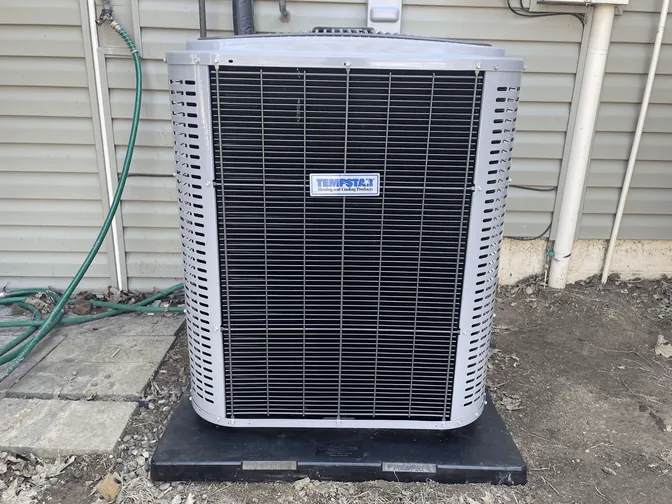
Clear the Outdoor Unit — Walk around your outdoor condenser unit and remove any leaves, grass clippings, cottonwood fluff, or other debris covering the fins. Use a soft brush or vacuum to gently remove buildup. Never use a pressure washer—it can damage the delicate coil fins.
Check for Visible Ice — Look at the refrigerant lines connecting your indoor and outdoor units. If frost or ice is visible on these lines or on the indoor coil access panel, this signals a frozen evaporator coil or a refrigerant leak. Both require professional diagnosis.
Listen for Unusual Sounds — A healthy AC system makes a humming sound when it runs. Hissing, buzzing, grinding, or knocking noises suggest electrical or mechanical problems that need professional attention.
Ensure Vents Are Open — Walk through your home and check that all supply and return vents are fully open. Blocked vents, closed dampers, or vents covered by furniture can prevent cool air from reaching certain areas and can raise pressure in your system, triggering safety shutoffs.
When Professional Service Is Necessary
If you've replaced the filter and verified these basics but your AC still isn't cooling, call an HVAC technician. Cooling problems that persist after filter replacement usually point to issues that a full system evaluation can catch:
- Refrigerant leaks
- A failed compressor or capacitor
- Frozen coils that need professional thawing and diagnosis
- Electrical problems with the contactor or circuit board
- Ductwork leaks that prevent cooled air from reaching your home
A professional inspection is the fastest way to identify the real problem and get your system back to work.
Prevention Is Cheaper Than Emergency Repair
The relationship between air filters and cooling efficiency is straightforward: a clean filter = a cool home, and a clogged filter = a struggling system. By checking your filter monthly and replacing it when needed, you avoid most of the problems outlined above.
Annual professional AC maintenance adds another layer of protection. During a tune-up, a technician can clean the evaporator and condenser coils, flush the condensate drain, check refrigerant levels, test electrical connections, and catch developing problems before they become expensive failures. Pair this annual visit with regular filter changes to make the best investment in keeping your system running efficiently and reliably.
If you need help diagnosing or fixing your cooling system, BreezeTech also offers air filtration and air quality services that complement regular maintenance and keep your system working at peak efficiency.
Questions About AC Cooling and Air Filters
A dirty filter restricts airflow through your system, forcing the air conditioner to work harder while delivering less cool air. The restricted airflow reduces cooling effectiveness, increases energy consumption, and puts strain on internal components like the blower motor and compressor. Severe clogging can even cause the evaporator coil to freeze.
Standard guidance is every 1 to 3 months, but homes with pets, allergies, or high dust exposure often need changes every 4 to 8 weeks instead. Construction or remodeling nearby can shorten that window even further. Check your filter monthly during cooling season—if it looks gray or clogged, replace it rather than waiting for a set date on the calendar.
Yes, in cases of severe clogging. A heavily clogged filter can restrict airflow so much that the evaporator coil freezes, triggering a safety shutoff that stops the system entirely. This is less common than you might think, though—partial clogging is far more typical and usually causes weak or inconsistent cooling rather than a total failure.
Sometimes. If reduced airflow from a clogged filter is the only problem, replacing it typically restores cooling within a day or so. However, if your AC has a refrigerant leak, a failed component, or already-frozen coils, a filter change alone won't fix the issue. If cooling doesn't noticeably improve after filter replacement, schedule professional service to rule out a bigger problem.
The size is printed directly on your current filter's frame—typically something like 16×25×1 or 20×20×4. Use these exact dimensions when ordering a replacement rather than guessing. An incorrectly sized filter won't seal properly against the frame, and air will flow around the gaps instead of through the filter material, defeating its purpose entirely and letting dust and debris back into your system.
Higher MERV filters capture more particles and can improve indoor air quality, but they also restrict airflow more significantly. Never exceed the MERV rating recommended by your equipment manufacturer. If you use a filter with too high a MERV rating for your system, it can reduce cooling performance and increase strain on the blower motor.
BREATHE EASY
Keep Your AC Running Strong
A dirty air filter is one of the most overlooked reasons an air conditioner stops cooling effectively. It's also one of the easiest problems to fix—simply checking and replacing your filter monthly can keep your system running smoothly. But if your filter is clean and your AC still isn't cooling, the issue likely needs professional diagnosis.
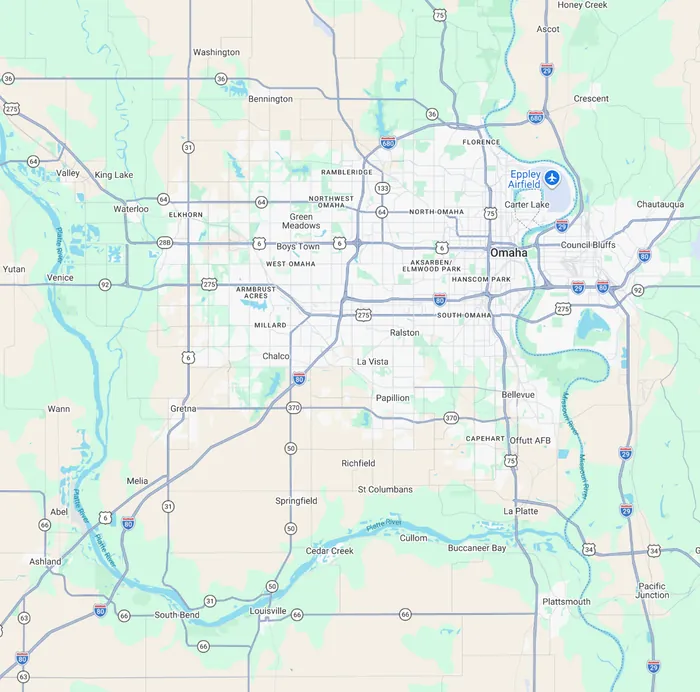
BreezeTech Heating and Cooling serves Papillion, Omaha, Bellevue, Elkhorn, Gretna, La Vista, and surrounding Nebraska communities. Our technicians can inspect your filter, check your entire cooling system, and identify why your AC isn't delivering cold air. Whether the problem is a simple filter swap or a more serious system issue, we'll get your home comfortable again. We also offer regular maintenance plans to keep your system in top shape year-round.
Don't let summer heat linger—regular filter changes and annual professional service are the foundation of reliable cooling. Schedule an AC inspection or maintenance visit with BreezeTech today, and rest easy knowing your system is ready for the season ahead.